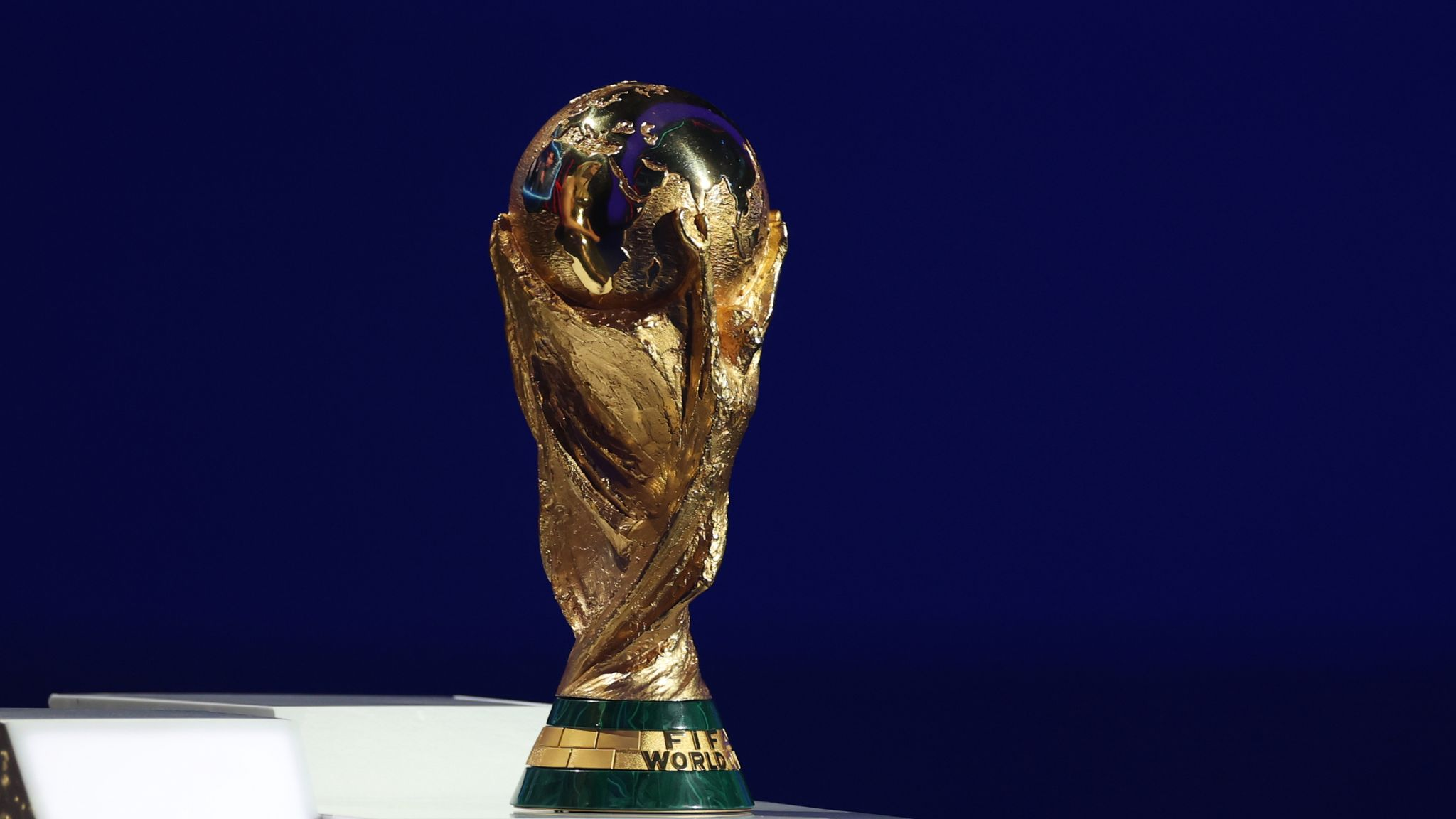
The 2026 FIFA World Cup will not only be the biggest tournament in history, it will also introduce several important rule and format changes that could affect how matches are played, managed, and watched.
The tournament will be hosted across the United States, Canada, and Mexico, with 48 teams, 104 matches, and a new Round of 32 knockout stage. The 48 qualified nations will be split into 12 groups of four, with the top two teams from each group and the eight best third-placed teams advancing.
Beyond the expanded format, several new laws and tournament regulations are designed to reduce time-wasting, improve VAR accuracy, and make disciplinary rules fairer for players and teams.
1. The World Cup Format Is Bigger Than Ever
The most obvious change is the expansion from 32 teams to 48 teams.
Instead of eight groups, the 2026 tournament will have 12 groups of four teams. Each team still plays three group-stage matches, but the knockout stage now begins with a Round of 32, adding one extra elimination round before the Round of 16.
This means the total number of matches increases to 104, making the 2026 edition the largest World Cup ever staged. For teams that reach the final, the journey becomes longer because they may now need to play eight matches instead of seven.
For fans, this means more football. For players and coaches, it means squad depth, recovery, and discipline will matter more than ever.
2. Yellow Cards Will Be Reset Twice
FIFA has adjusted the yellow-card suspension rule because of the expanded tournament.
In past World Cups, single yellow cards were wiped after the quarter-finals to reduce the chance of players missing the final through accumulation. For 2026, FIFA has added another reset point.
Single yellow cards will now be cancelled after the group stage and again after the quarter-finals.
This is meant to reduce unnecessary suspensions during the longer knockout phase. A player can still be suspended after receiving yellow cards in multiple matches, but this new amnesty system gives players a better chance of staying available for the biggest games.
3. VAR Will Have More Power
VAR will play a bigger role at the 2026 World Cup.
VAR is expected to be allowed to intervene in more situations than before, including some wrongly awarded second yellow cards, mistaken identity incidents, and incorrectly awarded corner kicks.
This is a major change because second yellow cards have traditionally been outside VAR's main review area. Under the new approach, if a player is about to be sent off because of a clearly wrong second booking, VAR may be able to help correct the decision.
VAR may also intervene before some set-pieces if an offence happens before the ball is back in play. This could be important during corners and free-kicks, where pushing, blocking, and holding often happen before the delivery.
4. Five-Second Countdown for Throw-Ins and Goal Kicks
One of the biggest time-wasting changes is the introduction of a visible countdown for throw-ins and goal kicks.
Referees will be able to start a five-second countdown when they believe a team is delaying the restart.
For goal kicks, if the kick is not taken after the countdown, the opposing team can be awarded a corner kick.
For throw-ins, excessive delay can result in the throw-in being awarded to the opposing team.
This rule is meant to keep the game moving and stop teams from slowing matches down when they are protecting a lead.
5. Substituted Players Must Leave Quickly
Substitutions will also be watched more strictly.
Players being substituted are expected to leave the pitch quickly, normally through the nearest boundary.
Substituted players may have around 10 seconds to leave the pitch. If they delay, the incoming substitute may have to wait before entering, potentially leaving the team temporarily short.
This could create tactical pressure late in matches. A player who walks slowly off the field to waste time could actually hurt their own team.
6. New Treatment Rule for Injured Players
The 2026 World Cup is also expected to apply stricter injury-treatment rules.
A player whose injury causes a stoppage may need to stay off the field for at least one minute after treatment.
There may be exceptions for cases such as:
- Goalkeeper injuries
- Head injuries
- Penalty takers
- Situations where an opponent is punished with a card
This is designed to stop players from using minor injury stoppages to slow the game down or break the rhythm of the opposition.
7. No More Goalkeeper "Tactical Timeouts"
Goalkeeper injuries have sometimes been used as a way for players to gather near the touchline and receive tactical instructions.
The new rules aim to stop that.
Goalkeepers can still receive treatment on the pitch, but teammates will not be allowed to use the stoppage as a team talk.
This could reduce fake or exaggerated stoppages and keep matches flowing better.
8. Red Cards for Certain Protest Actions
New conduct rules are also expected to be stricter.
Players or officials who leave the field to protest a referee decision can be sent off.
There is also a reported rule targeting players who cover their mouths during confrontational incidents. The reason is to help officials investigate abusive or discriminatory language more clearly.
This could become a red-card offence in certain confrontational situations.
This rule may become one of the most debated changes of the tournament because players often cover their mouths while speaking on the pitch.
9. Hydration Breaks Will Matter More
Because the 2026 World Cup will be played across North America during summer, hydration and heat management will be important.
Hydration breaks are expected to be standardized, with breaks around the 22nd minute of each half.
Heat-management plans may also include:
- Hydration stations
- Cooling tents
- Misting stations
- Fans around stadium areas
This could affect match tempo, coaching strategy, and player recovery, especially in hotter venues.
10. Fans Will Face New Stadium Restrictions
One non-playing rule fans should know is that reusable water bottles are expected to be banned at 2026 World Cup venues, mainly due to safety concerns.
For supporters attending matches, this means checking venue rules before matchday will be important.
Because the tournament will be played in summer, fans should also pay attention to heat, hydration, and stadium entry rules before travelling to matches.
What These Rules Mean for the 2026 World Cup
The new World Cup rules point in one clear direction: FIFA and IFAB want faster matches, fewer delays, stronger discipline, and more accurate officiating.
Teams will need to adapt quickly. Coaches must prepare players for stricter substitution timing, smarter yellow-card management, and less freedom to waste time.
Defenders must also be more careful during corners and set-pieces because VAR may now have more room to intervene.
For fans, the changes should create matches with more actual playing time and fewer frustrating delays. But they may also bring new controversies, especially around VAR reviews, mouth-covering red cards, and time-wasting punishments.
The 2026 World Cup will be bigger, longer, and more global than any edition before it. With these new rules, it may also feel faster, stricter, and more technology-driven than ever.